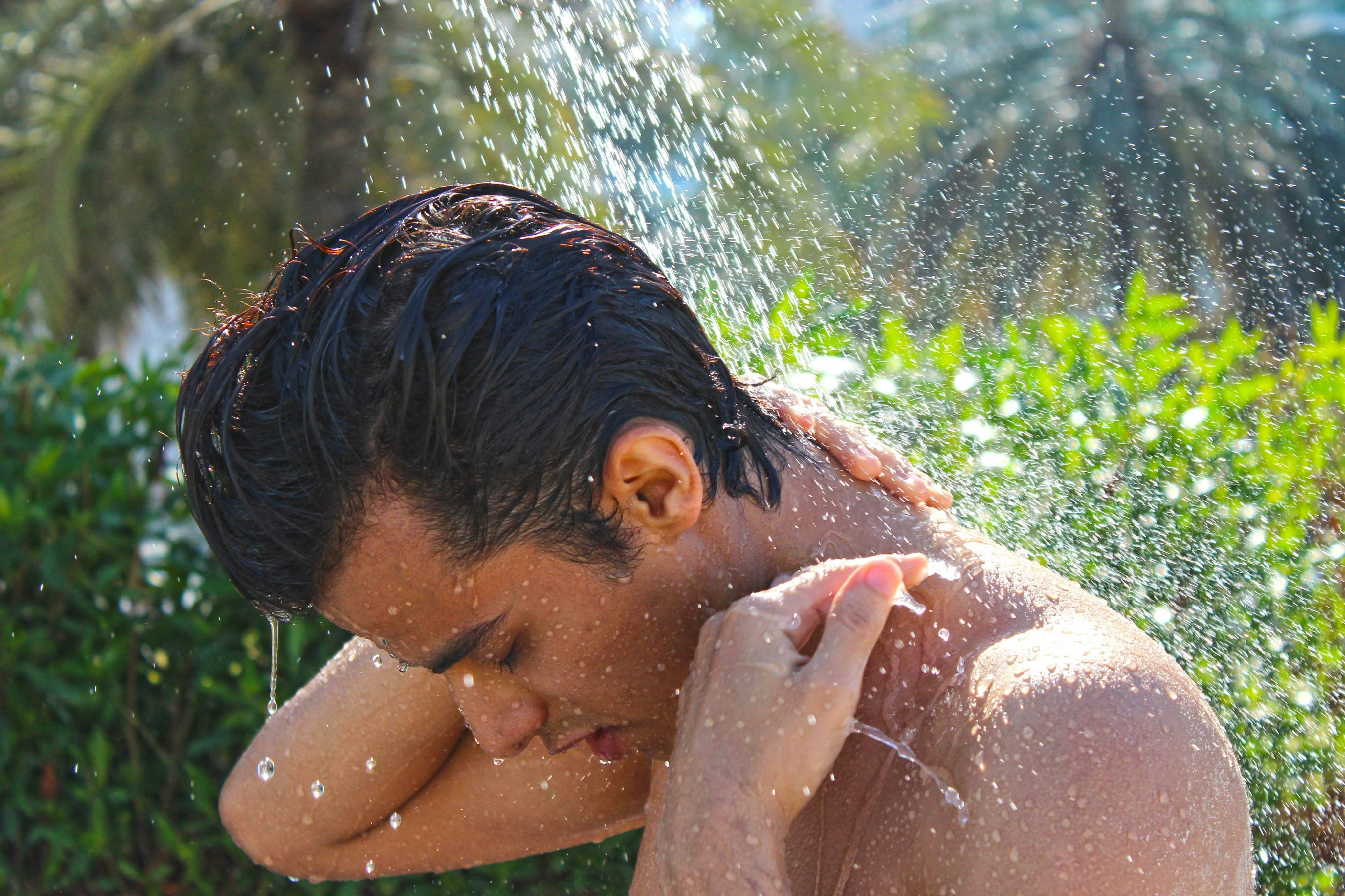
If your hair’s started to feel drier, rougher or more brittle than usual, it makes sense to look at the water first. Hard water contains elevated amounts of dissolved minerals, especially calcium and magnesium, and it’s very common all around Australia. It can leave your hair looking dull, harder to manage and less clean than it should be.
There’s an important nuance to note here, though: hard water usually doesn’t directly cause permanent hair loss. What it can do is create the conditions for your hair to get damaged, dry, tangled or more prone to breakage, which can make shedding look and feel worse over time. Put simply, it’s usually not a single sudden cause, but a build-up of smaller effects that add up with every wash.
In this article, we’ll cover what hard water is, how it affects the hair and scalp, some signs to watch for, as well as the most practical ways to protect your hair from hard water damage. If you’ve been frustrated by hair that never quite feels clean, soft or under control, you’re not alone.
What is hard water?
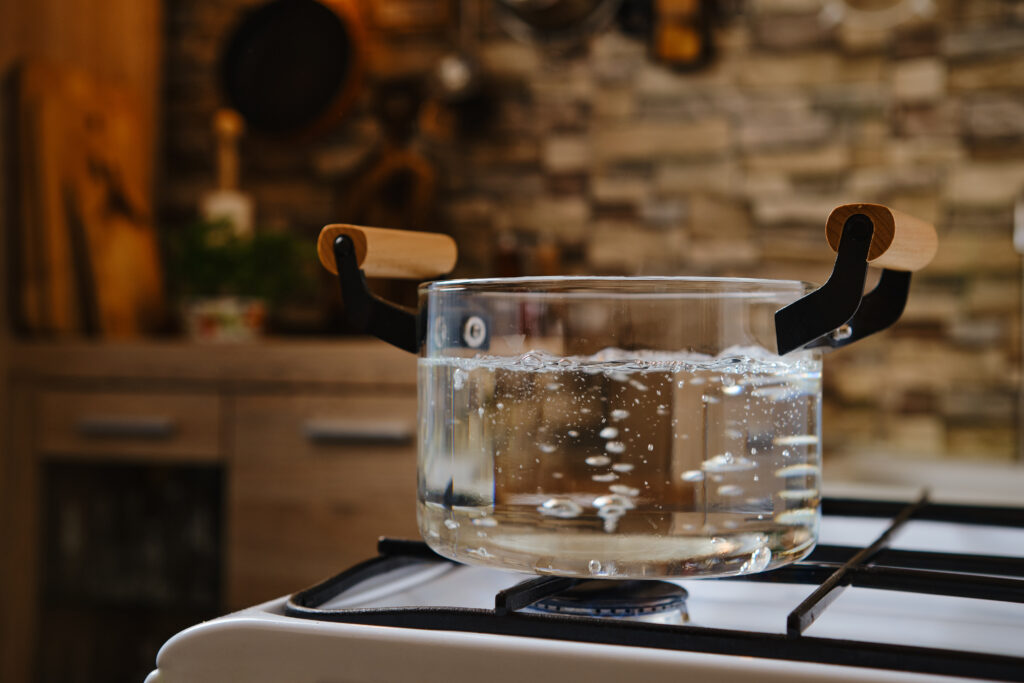
Hard water is water with a higher mineral content, usually because it’s passed through rock and soil that contain calcium and magnesium. These minerals are the main reason water becomes “hard,” and water hardness varies by location and source.
While hard water is safe to drink, the mineral content can still be noticeable in your daily life. Many households see effects on hair, skin, soap performance, and fixtures such as shower screens and taps.
If you want a deeper dive into the issue, you can learn more about hard water and how it affects your home.
How does hard water affect hair?
Hard water usually affects hair via a combination of mineral residue, dryness and reduced cleansing performance. It’s rarely one single issue. More often, the minerals in the water leave behind deposits that make hair feel harder to wash and more likely to break or shed during your everyday routines.
Mineral build-up
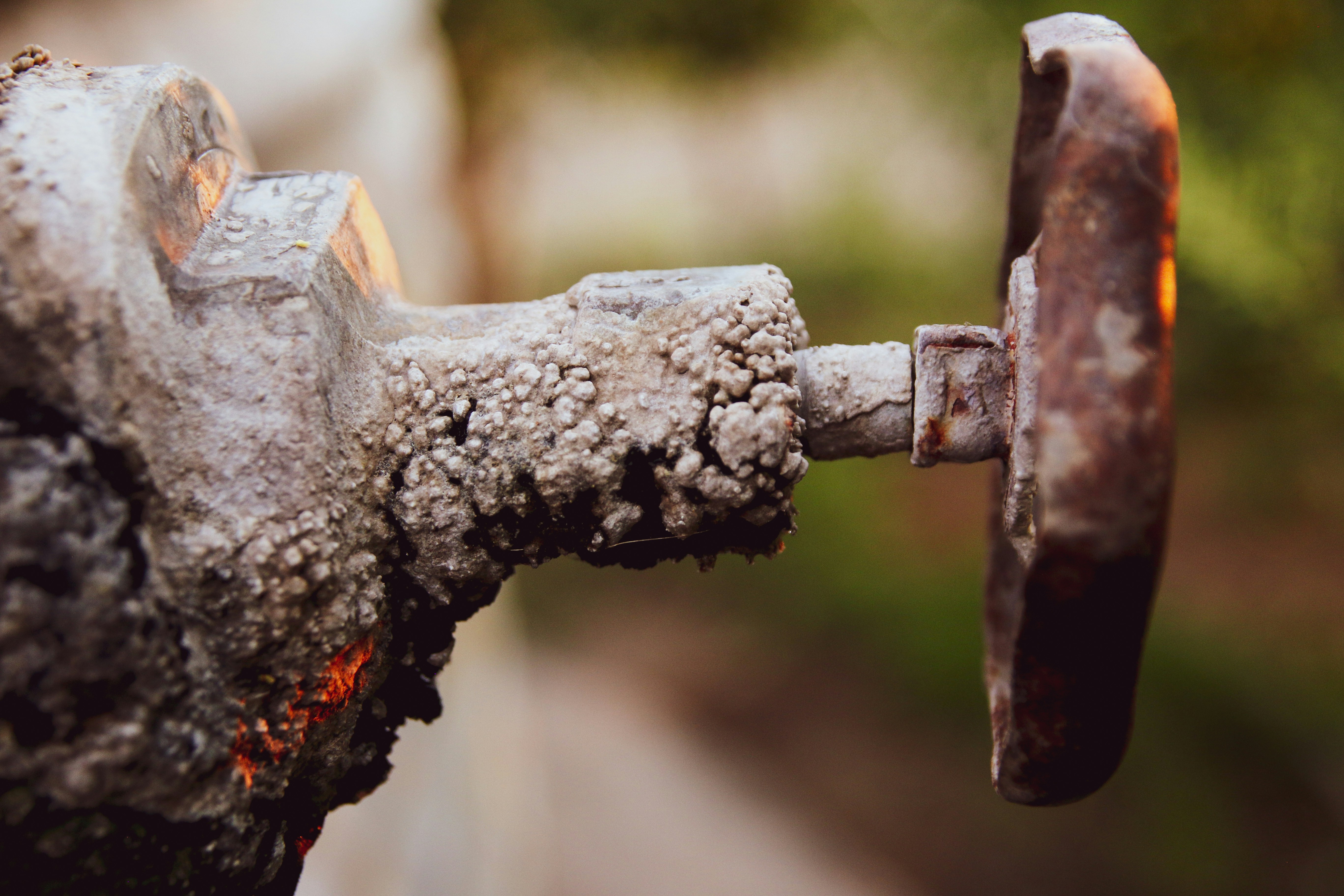
One of the biggest problems with hard water is the mineral build-up. Calcium and magnesium can settle on the hair shaft and scalp over time, leaving a film that’s difficult to fully rinse away. That build-up can make your hair feel rougher and harder to detangle, or leave your scalp feeling weighed down or irritated.
When that residue collects around the scalp, it can interfere with the environment around the follicles. They’re not permanently damaged, but a prolonged build-up can change how hair looks and feels, which is why some people notice increased shedding or breakage when they regularly use hard water.
Dryness and hair breakage
Hard water can make your hair much harder to keep hydrated. Minerals left on the hair can leave it feeling stiff and less responsive to moisturisers. When that happens, strands become more likely to break, especially if the hair’s already been colour-treated, heat-styled or naturally delicate.
Hair breakage isn’t the same as true hair loss; that’s an important distinction. Breakage happens along the hair shaft, making the hair look thinner, shorter or less full, even if the follicle itself is still active. This, in turn, makes people feel like they’re losing more hair than they actually are.
Reduced product performance
Hard water can also stop your shampoo and conditioner from working like they’re supposed to. The minerals in hard water react with cleaning ingredients, making it harder to form a good lather and often leading people to use more product than they need. Over time, this too adds to the feeling that your hair’s never quite getting properly cleaned or conditioned.
This cycle can be frustrating: the more you try to compensate with more shampoo or conditioner, the more likely you are to leave behind residue that’ll weigh your hair down.
The signs tend to build slowly, which is why most people don’t connect them to water quality straight away:
Hair feels dry, rough or straw-like even after conditioning.
Hair looks dull or lacks shine.
Hair tangles more easily and feels harder to detangle.
More hair than usual is collecting in the shower drain or on the brush.
The scalp feels itchy, flaky or irritated.
Shampoo and conditioner don’t seem to lather or work as well as they should.
If more than one of these sounds familiar, hard water could be one of several factors contributing to the problem. The good news? It’s very fixable.
How to protect your hair from hard water damage
The best approach is to move from quick relief to long-term solutions. Some methods help with the symptoms, while others tackle the source:
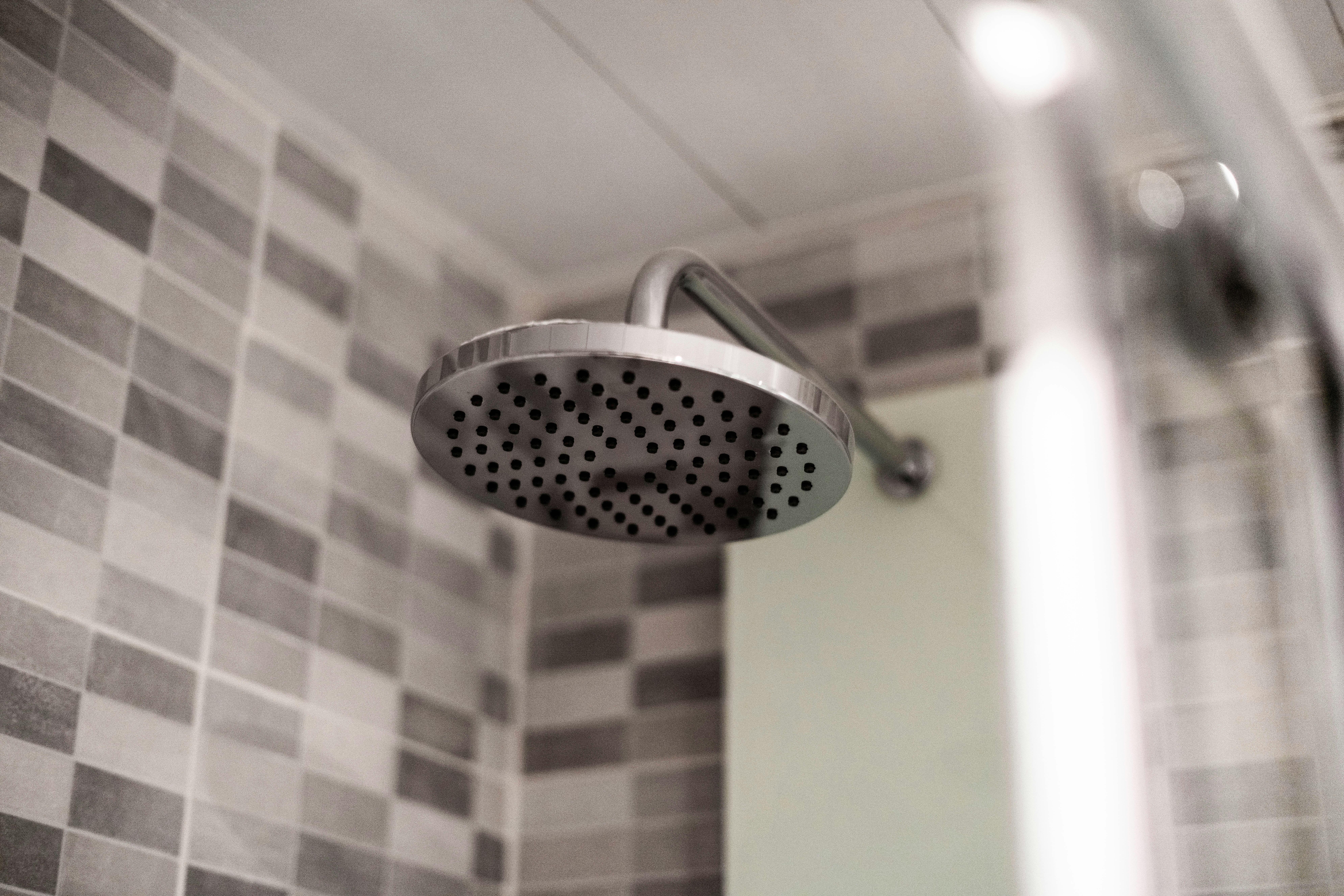
Install a water softening shower head
A filtered or softening shower head is one of the simplest entry points. These products are popular because they’re affordable, easy to fit, and useful for renters and anyone not ready to install a whole-home system. Depending on their design, they might use media like KDF or vitamin C to help reduce chlorine and improve the shower experience.
Their limitation is that they can’t remove all the minerals that contribute to hardness, and the filters need to be replaced regularly to stay effective. They’re a helpful stopgap, but not a proper solution.
Use a clarifying shampoo
A clarifying shampoo is designed to remove build-up from the hair shaft, including residue from hard water and products. Used once a week or fortnightly, it can help reset hair that’s started to feel crusty, flat or dull. It’s best used as maintenance, not an everyday shampoo, as overuse can strip your hair of its natural oils.
They work well when the goal is to get rid of existing build-up; they treat the symptom, not the cause.
Apply a hair mask
A good hair mask helps restore moisture to hair that’s been dried out or left feeling brittle by hard water. Masks containing ingredients like keratin, argan oil, and shea butter are commonly used to soften hair and make it more manageable.
For best results, use a mask after clarifying, once the residue has been removed and the hair can properly absorb the treatment. Even one deep-conditioning session a week can make a dramatic difference to hair that feels damaged or prone to breakage.
Other helpful options include leave-in conditioners for added softness between washes and chelating or hard-water shampoos when mineral build-up keeps coming back. Remember, though, these are supporting steps, not substitutes for fixing the water itself.
Try a citrus and vinegar rinse
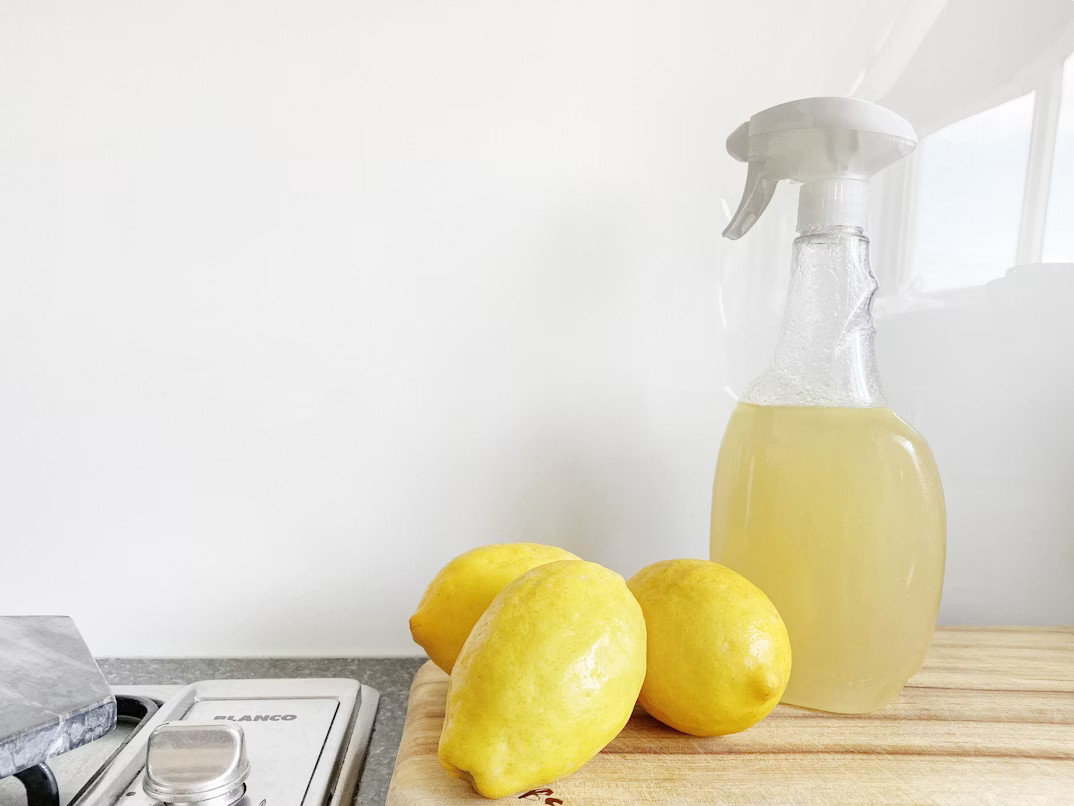
Apple cider vinegar and lemon juice are mildly acidic, which is why they’re often used to help loosen mineral residue from the hair shaft. A simple rinse can be made by diluting apple cider vinegar or lemon juice with water, applying it after shampooing, leaving it on briefly and then rinsing thoroughly.
This is a popular option thanks to it being inexpensive and easy to try at home. The smell of apple cider vinegar usually fades by the time the hair dries, so it’s usually less noticeable than people expect. Like our other methods so far, this helps manage what’s already built up rather than prevent the issue from happening again.
A long-term approach: install a whole-home filtration system
For a complete, long-term solution, a whole-home filtration system is your best option. A whole-home filtration system is a comprehensive way to improve water quality throughout your home, treating water at the point of entry so every tap and shower benefits.
Whole-home systems help improve water quality before the water reaches your taps and showers. Complete Home Filtration systems are designed for Australian homes and water conditions, helping to reduce chlorine, sediment and other unwanted contaminants that can affect your skin, hair, plumbing and appliances.
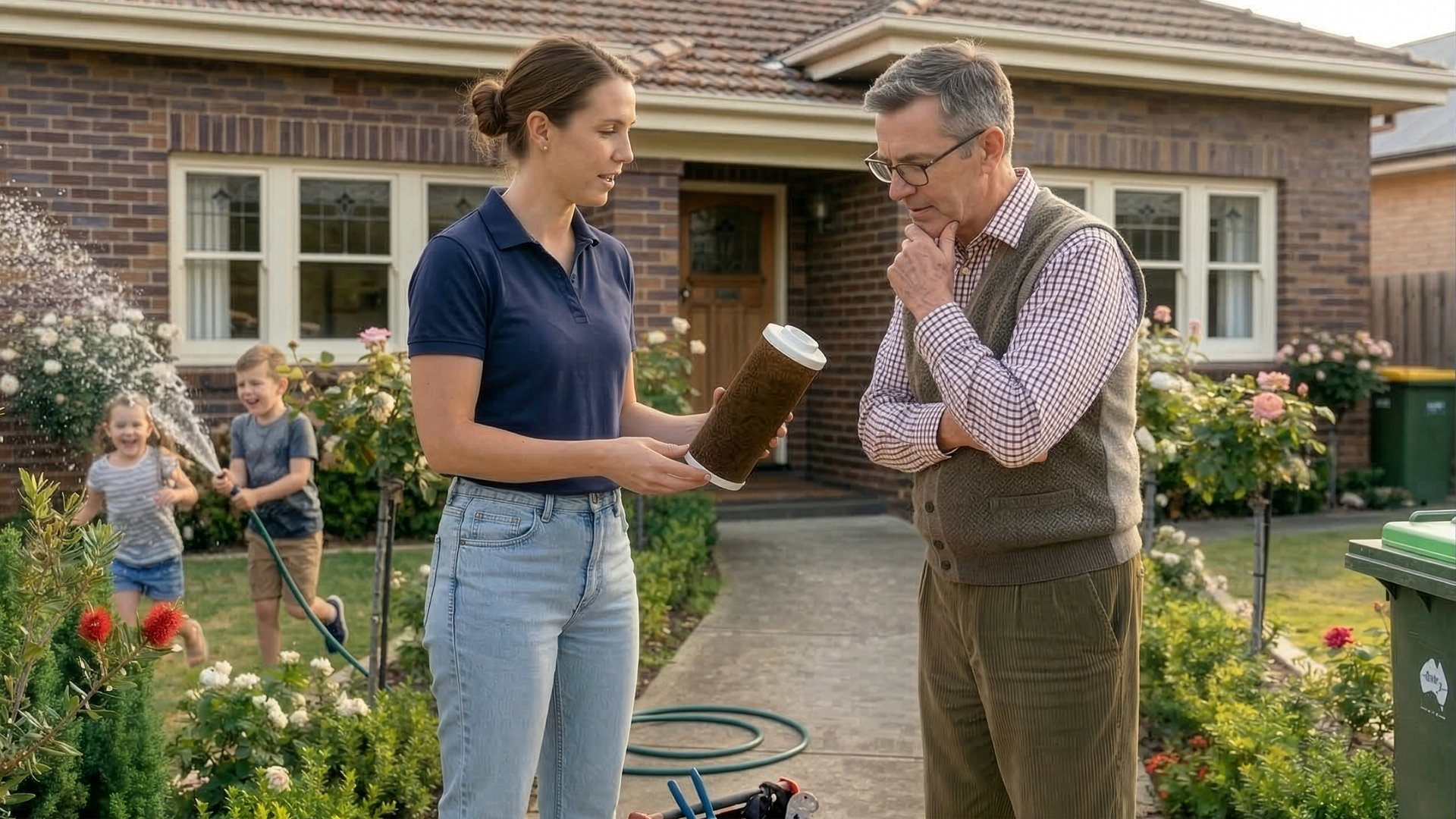
For households looking for a whole-home water quality solution, this can provide a more comprehensive approach than treating symptoms after they occur. We not only offer whole-home systems designed for Australian conditions, but they begin with a free in-home water assessment so the right system can be matched to your home and water supply from the start.
Making your hair hard water friendly
Hard water doesn’t cause permanent hair loss on its own, but it can definitely contribute to the dryness, breakage and shedding that accumulate over time. The main issues are mineral build-up, dehydration, and reduced hair product performance.
There are several ways to help manage the effects of hard water. From a shower filter or clarifying shampoo all the way through to a full whole-home filtration system, the right choice depends on your water, your home and how permanent you want the fix to be.
If your hair’s been feeling the effects of hard water, taking steps to address the issue sooner rather than later may help prevent ongoing dryness, build-up and breakage.
If you’re unsure where to start, Complete Home Filtration provides free in-home water assessments to help find the right solution for your home and water.
Send us a message or call us on 1300 693 458.