If your tap water doesn’t quite taste right, you’re not alone. For households across Australia, the first sign that something might be off is the taste.
A strong chlorine flavour, metallic note or an unpleasant aftertaste can quickly turn a regular glass of water into something you’d rather avoid.
Whatever the cause, bad-tasting water can affect everything, from how much you drink to how your tea, coffee and cooking turn out.
The good news is that water taste issues are usually very fixable. In most homes, the most effective solution is a filtration system, especially if you want better-tasting water throughout the whole home, not just one tap.
Why tap water can taste off
Chlorine and treatment by-products
One of the most common reasons water can taste off is chlorine. It’s usually easy to spot because it tends to give water a pool-like taste or smell. For some, this isn't too bad and is mild, whereas for others, it's the first thing they notice once they pour a glass of water.
Even though chlorine is widely used to treat water, it doesn’t make the taste any easier to ignore. A noticeable chlorine flavour can make water taste and feel less fresh, even if it's safe.
Minerals, sediment and other common taste issues
Chlorine isn’t the only thing that can affect taste. Minerals, sediment, and other dissolved materials can also change how water tastes and feels in the mouth and can go hand in hand with build-up on taps, showers, and other appliances. Some households notice a hard or chalky taste, whereas others might describe it as stale, earthy or unpleasant.
Why can water taste different from one home to another
Even when homes are connected to the same general water supply, the water can taste different by the time it actually reaches your tap.
That’s because the journey from the mains to your home matters, too. Pipe age, plumbing condition, fittings and the type of materials in the home can all affect the taste. Two homes on the same street can still have a very different profile once the water reaches the glass, which is why some notice taste issues much more strongly than others.
The most effective way to improve tap water taste
Why filtration is the real long-term fix
If the goal is better water for your day-to-day, filtration is usually the most reliable long-term solution. Good filtration doesn’t just mask the problem; it actually reduces the substances in the water that cause the bad taste in the first place. That’s why a proper system delivers a more dependable result than trying to work around the issue. Whole home filtration treats water before it enters the home, so any water reaching your taps has already been filtered.
How water filters remove the tastes people notice most
Different filters are designed to handle different contaminants, but the principle is the same. Reduce the materials affecting the taste, and the water becomes much more enjoyable. Carbon filtration is especially effective where chlorine taste and odour are the main issues. Sediment filtration helps with particles that can make water seem gritty or dull. More advanced systems can target a broader range of water quality concerns, depending on the system and local water conditions.
Why whole home filtration makes a bigger difference
Better tasting water for drinking, cooking, showering, and appliances
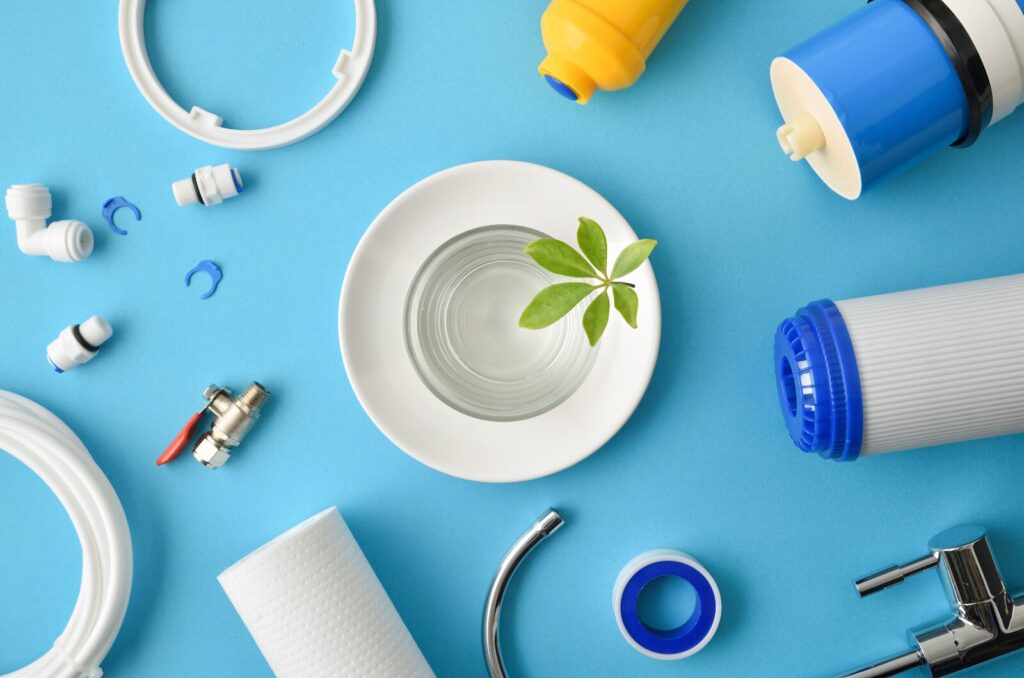
A whole home filtration system improves water at every tap, not just the kitchen sink. People drink it, cook with it, wash food in it, shower in it and run their appliances with it. When the water tastes better from the start, it changes the whole daily experience throughout the entire home.
More consistent water quality throughout the home
One of the biggest strengths of whole home filtration is consistency. That means the kitchen, bathroom, laundry, and outdoor taps all draw from the same filtered supply; you don’t need to keep track of which taps are treated and which aren’t. For many households, this is huge, as it keeps the solution simple and aligns the whole home rather than giving you just one good tap.
A better everyday result than treating one tap only
If the water tastes off throughout the house, fixing one tap doesn’t solve the actual problem. It might improve the drinking water at the kitchen sink, but the rest of the home is still using the untreated supply. Whole home systems offer a wider fix, improving the water experience everywhere it’s used, not just one tap.
Where reverse osmosis fits in
Great for drinking water
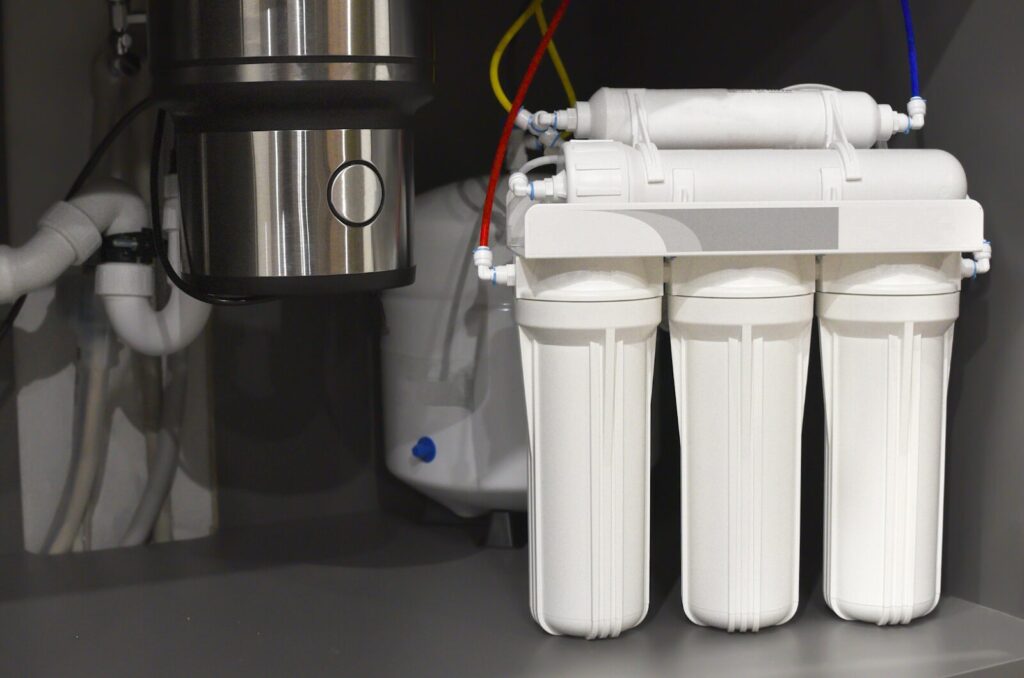
Reverse osmosis is a strong option when the focus is on drinking water at the kitchen tap. It’s designed to provide a very high standard of filtration, which is why households use it specifically for drinking and cooking water. For people who are especially particular about taste, reverse osmosis can be an incredibly effective final step in the filtration process.
Why it works well alongside complete home filtration
Reverse osmosis and whole home filtration do different jobs. Whole home filtration improves the water entering the house, while reverse osmosis provides more targeted results at the tap you use most for drinking water. This is why they can work so well together: one takes care of the broader household experience, while the other provides an extra level of treatment at the tap, where taste matters most.
A long-term approach: install a whole-home filtration system
For a complete, long-term solution, a whole-home filtration system is your best option. A whole-home filtration system is a comprehensive way to improve water quality throughout your home, treating water at the point of entry so every tap and shower benefits.
Whole-home systems help improve water quality before the water reaches your taps and showers. Complete Home Filtration systems are designed for Australian homes and water conditions, helping to reduce chlorine, sediment and other unwanted contaminants that can affect your skin, hair, plumbing and appliances.
For households looking for a whole-home water quality solution, this can provide a more comprehensive approach than treating symptoms after they occur. We not only offer whole-home systems designed for Australian conditions, but they begin with a free in-home water assessment so the right system can be matched to your home and water supply from the start.
When people choose both
Some households want filtered water throughout the home and an even stricter level of treatment at the kitchen tap. In this case, using both makes sense. Whole home filtration takes care of the everyday water experience across the house, while reverse osmosis offers a premium option for drinking and cooking water. Together, they create a complete setup that doesn’t force you to choose.
Choosing a filtration system for your home
What to look for in a system
The best system is the one that matches the problem you're actually trying to solve. If the main issue is taste, the system needs to target the underlying cause. If the problem is affecting the whole home, then the solution needs to be built for the whole home too.
It also helps to think about how your home actually uses water. The right system should fit the way you live, the way your household uses water and the kind of result you want every day. A good filtration system should make life simpler, not create another thing to manage.
Why water quality and household needs matter
Not every home is dealing with the same water issue. Some households mainly notice taste and odour. Others are dealing with sediment, mineral build-up, hard water, or broader water quality concerns. A system that works well for one household might not be the best fit for another, so the best choice should reflect the reality of the water you’re dealing with, not a one-size-fits-all solution.
Why a complete home solution is usually the simplest option
For most families, a complete home filtration system is the simplest and most practical place to start. It treats water at the entry point, improves taste throughout the home, and gives you one system that works at every tap. Instead of treating one part of the problem, it offers a whole home solution, which means less guesswork, less inconsistency and a better experience with all the water you use.
Ready for delicious water?

If your tap water tastes off, there’s usually a reason for it, and there’s usually a way to fix it.
A quality filtration system can make a dramatic difference to how your water tastes, smells and feels in daily use; for households that want improvement across every tap rather than at a single point, a whole home filtration system is the most direct way to achieve it.