Entry-point filtration
Step 1
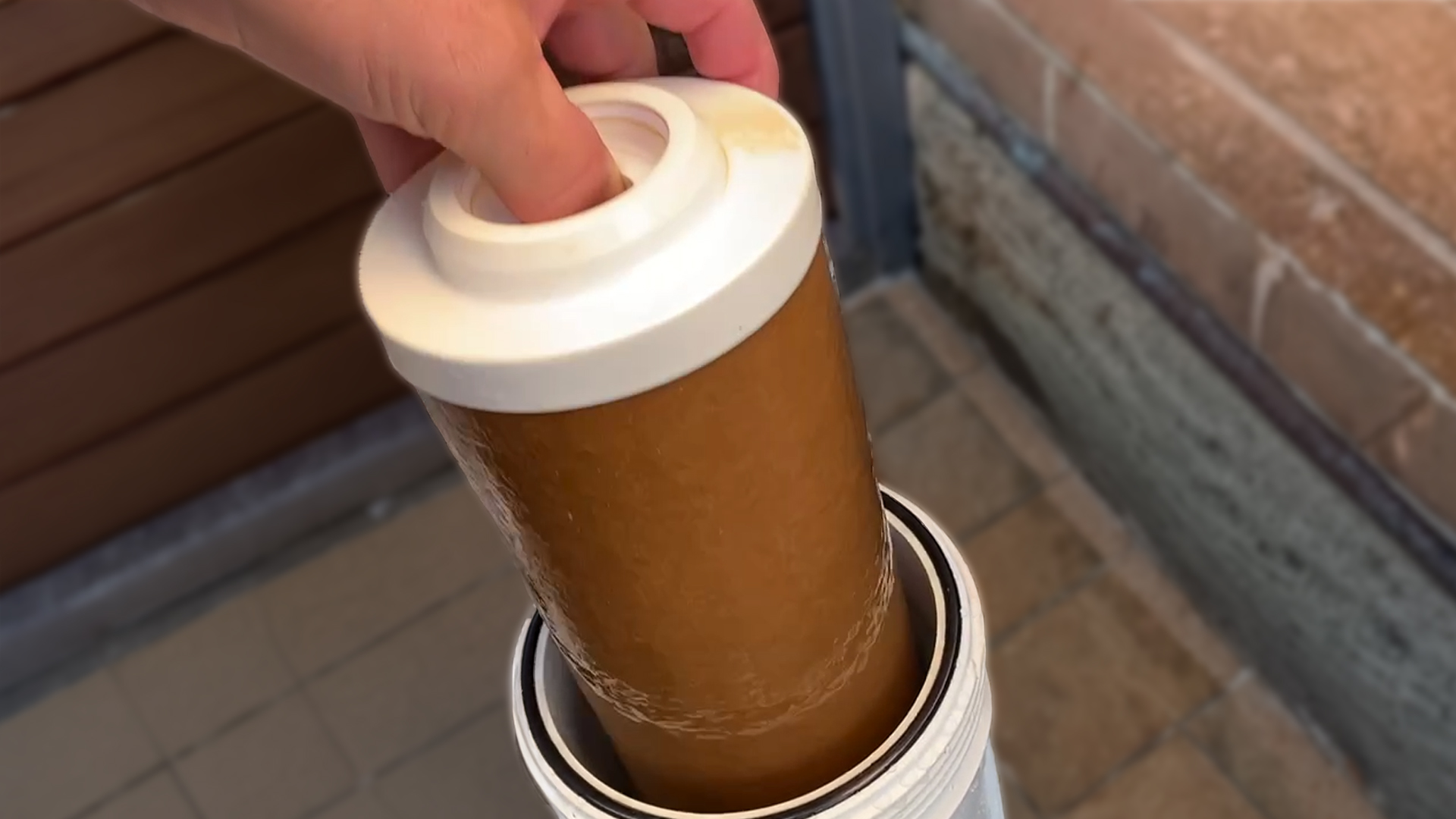
Mains water passes through the whole-home filtration system as it enters your property, before it reaches your internal plumbing.

Water filtration systems are designed for different water sources and household needs. A whole-home system, reverse osmosis system and rainwater filtration system each solve a different problem, so choosing the right one depends on where your water comes from and how you plan to use it.
This guide compares the three options to help you find the most suitable system for your home.

Compare your options
| Feature | Whole-home filtration Filtered water throughout the home | Reverse osmosis system Advanced drinking-water filtration | Rainwater filtration Designed for tank and alternative water supplies |
|---|---|---|---|
| Best for | Filtering mains water throughout the home | High-level filtration specifically for drinking and cooking water | Treating rainwater before it reaches the home |
| Primary water source | Mains or town water | Mains water | Rainwater tank or bore water |
| Filters the entire home? | ✓ | ✕ Filters water at a dedicated tap | ✓ |
| Treats drinking water only? | ✕ | ✓ | ✕ |
| Designed to reduce PFAS? | ✕ | ✓ Subject to ongoing filter maintenance | ✕ |
| Reduces chlorine and chloramines? | ✓ | ✓ | ✕ Generally not required |
| Installation location | Main water entry point Before water enters the home | Under the kitchen sink Connected to a dedicated filtered tap | Between the tank and home supply Configuration depends on the property |
| Typical maintenance | Filter replacements Schedule depends on household use and water quality | Filter and membrane replacements Based on system and water usage | Filter and UV maintenance Depends on the selected configuration |
| Ideal household | Families and households wanting filtered water for every tap and appliance | Apartments, smaller homes or households focused on purifying only their drinking water | Rural and regional homes using rainwater |
| View whole-home systems | View reverse osmosis | View rainwater systems |
A whole-home filtration system treats your water at the point it enters your property, so every tap, shower and connected appliance gets filtered water. Instead of filtering water at a single outlet, it offers fresher water throughout your whole home while reducing the common contaminants in mains water.
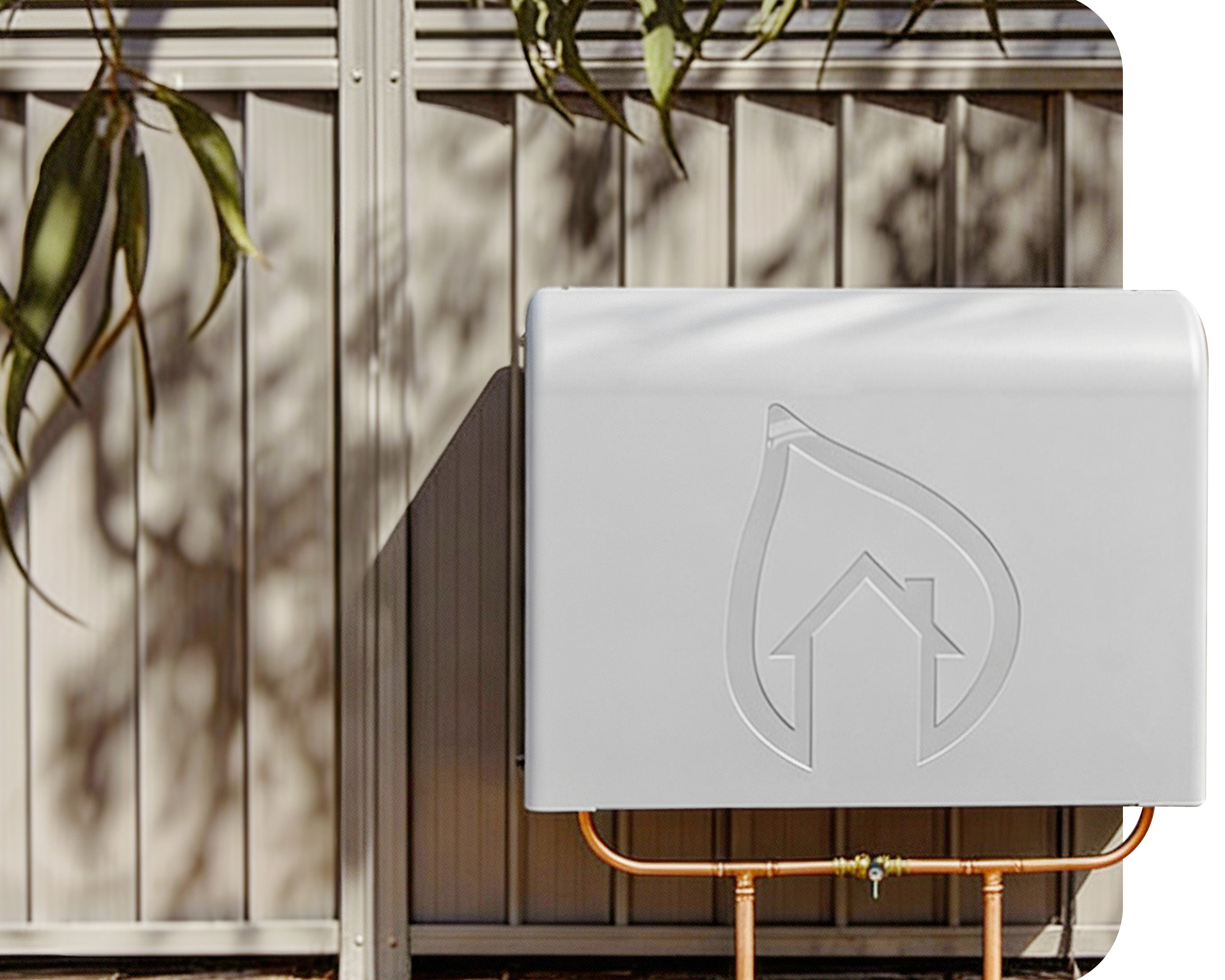
Mains water passes through the whole-home filtration system as it enters your property, before it reaches your internal plumbing.
The filtration media reduces contaminants like chlorine, sediment, heavy metals and VOCs, helping to improve your water quality. It also softens water by reducing calcium, protecting appliances from scale build-up.
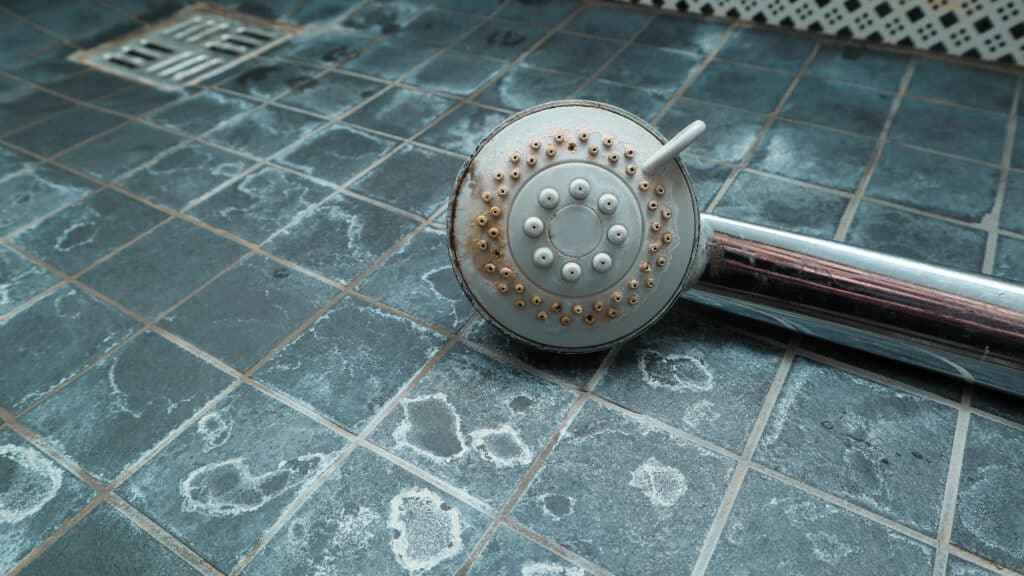
Fresher, softer, better-tasting water is then supplied to every tap, shower and appliance so you get to enjoy the benefits across the whole house.
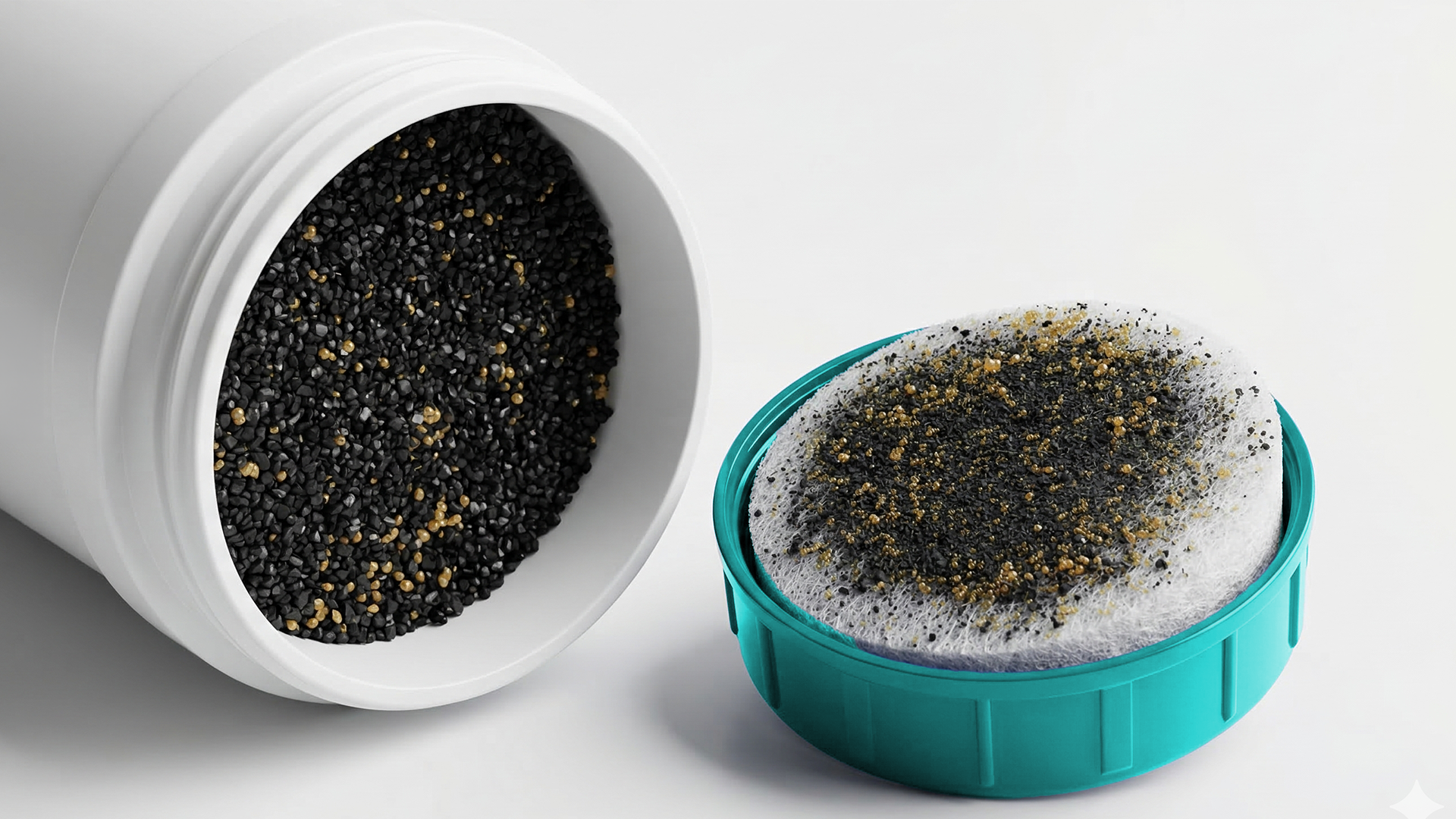
Whole-home filtration is ideal for households connected to mains or town water that want filtered water throughout the entire home.
It is a popular choice for families and households that want to reduce chlorine, sediment and other common impurities at the same time as softening their water across all points of use in the home.
.png?language=en)
The cost of a whole-home filtration system depends on your home's requirements, including property size, household water usage, local water conditions and the level of filtration required. As every home is different, our team can help determine the most suitable whole-home filtration solution for your property.
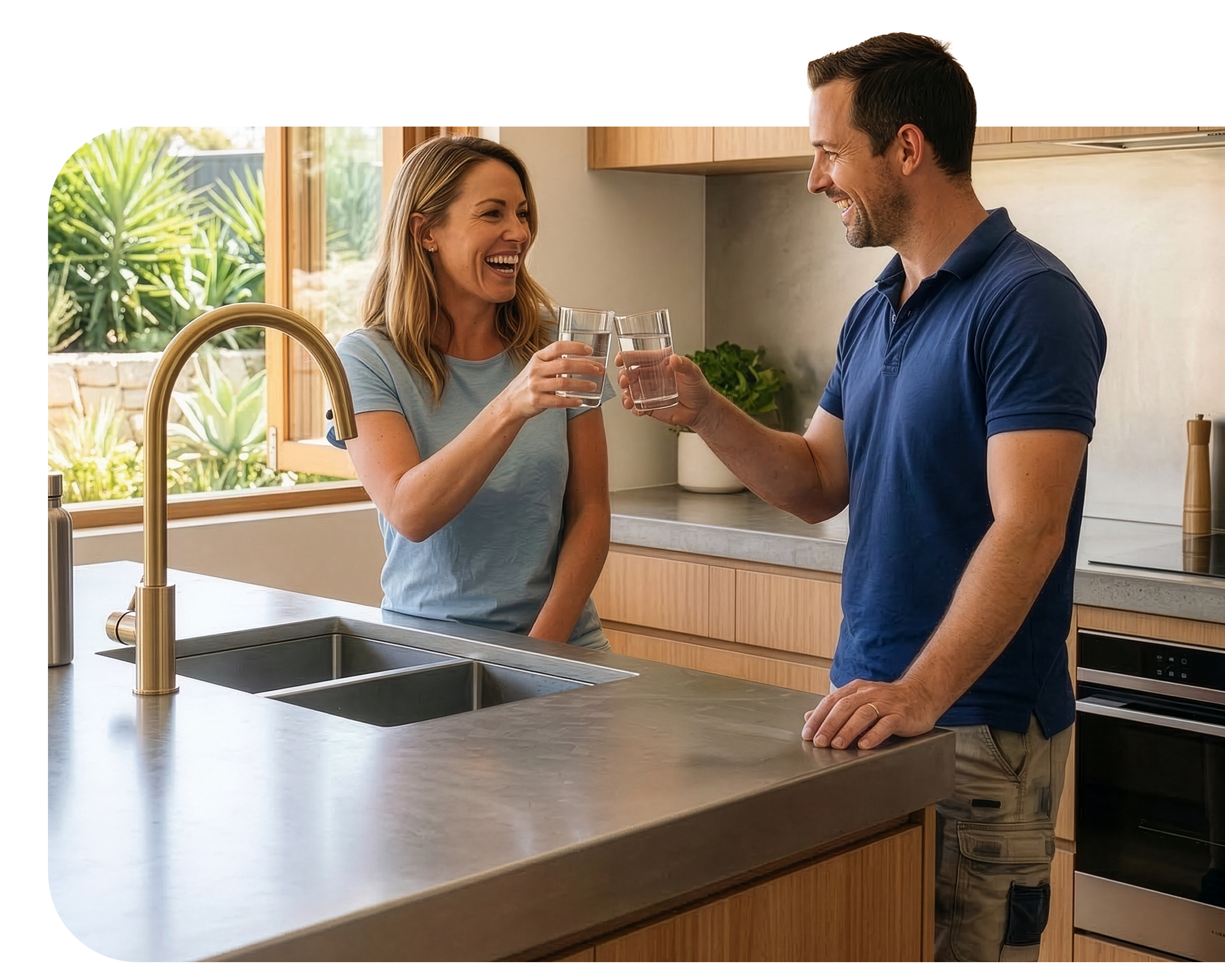
A reverse osmosis system uses an ultra-fine membrane filtration process installed under your sink to filter water at a dedicated tap.
It's designed to reduce a broad range of dissolved contaminants, offering a convenient option for households wanting enhanced filtration specifically for their drinking and cooking water.
An RO system is the most thorough and fine-grade filtration available in the home, but its use is limited to drinking and cooking water.
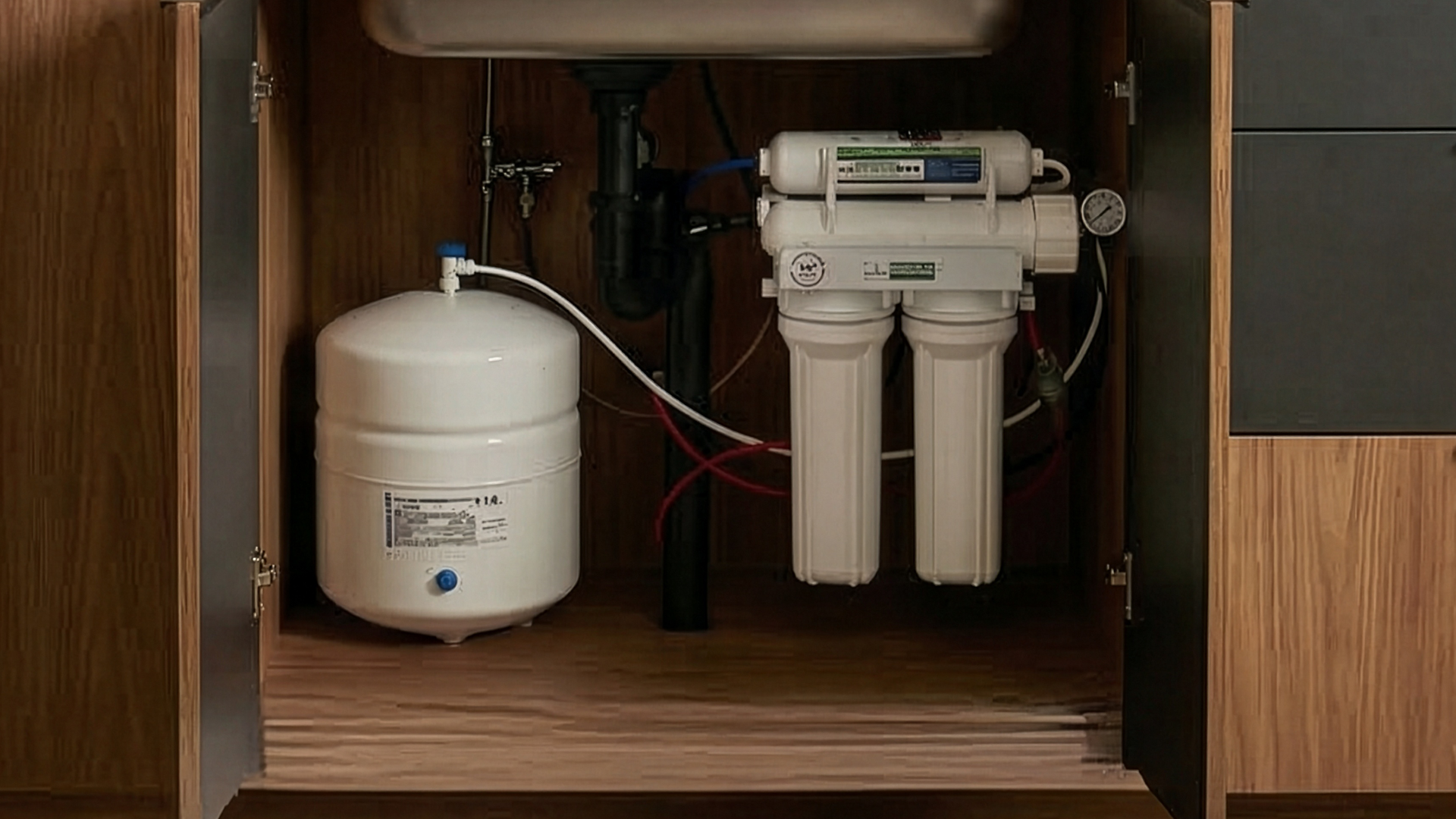
Sediment and carbon pre-filters help reduce particles, chlorine and other contaminants before the water reaches the membrane.
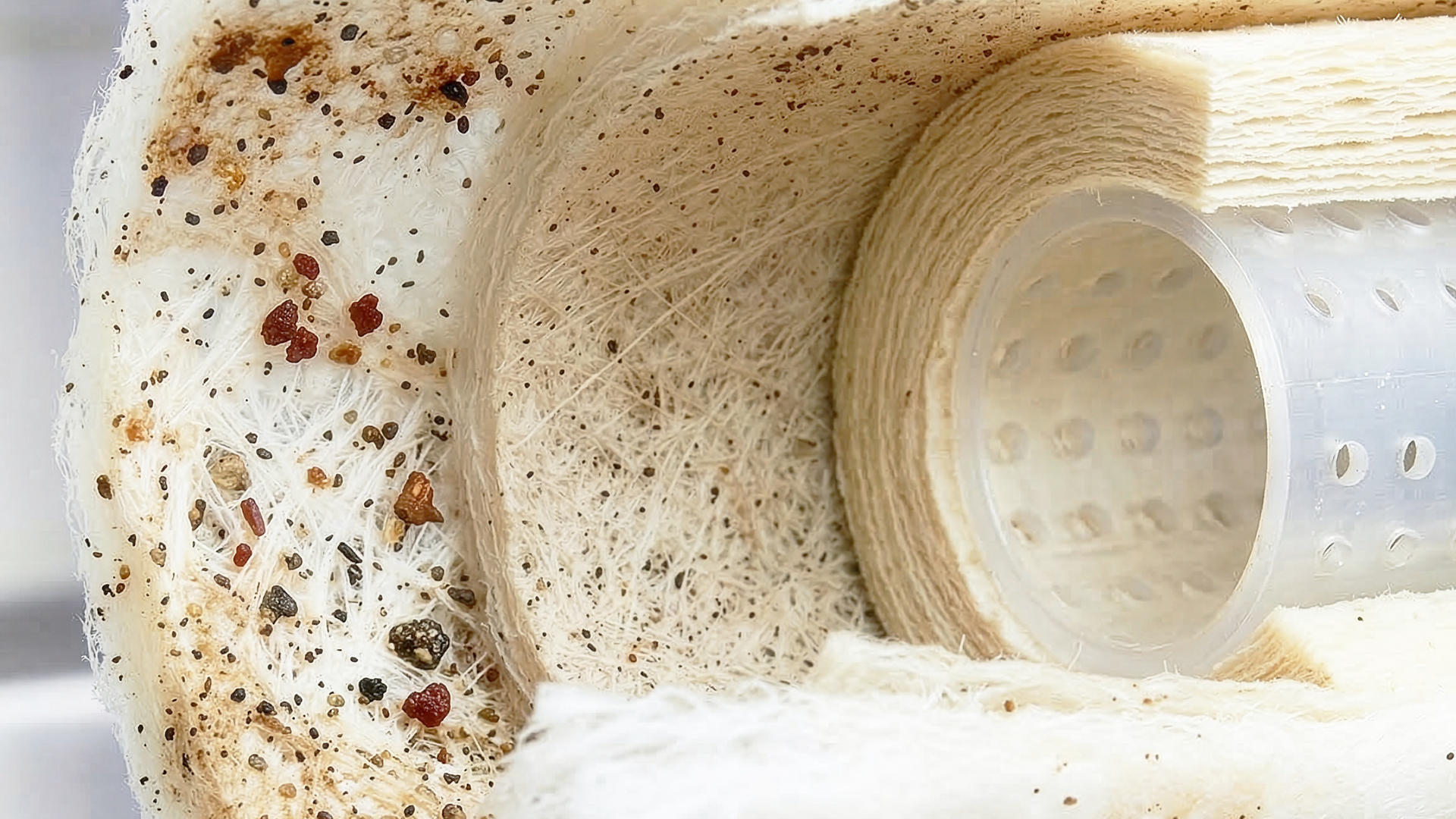
Water is forced through an ultra-fine membrane in high pressure to remove extremely small contaminants. Contaminants remain on one side of the filter while only purified water can pass through.

A remineraliser restores important trace minerals and taste factors before the water flows from the dedicated tap, providing great-tasting water.
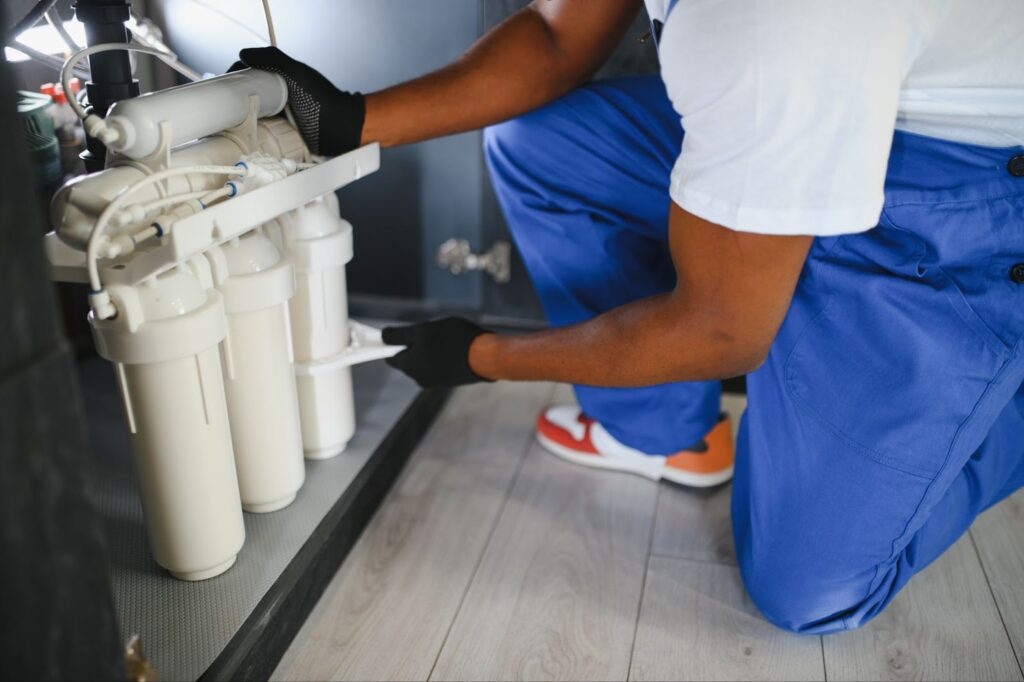
A reverse osmosis system is ideal for households wanting enhanced filtration for their drinking and cooking water. It’s a practical option for apartment dwellers, renters and smaller households, as well as anyone who wants to focus on the water used for drinking, cooking and preparing food.
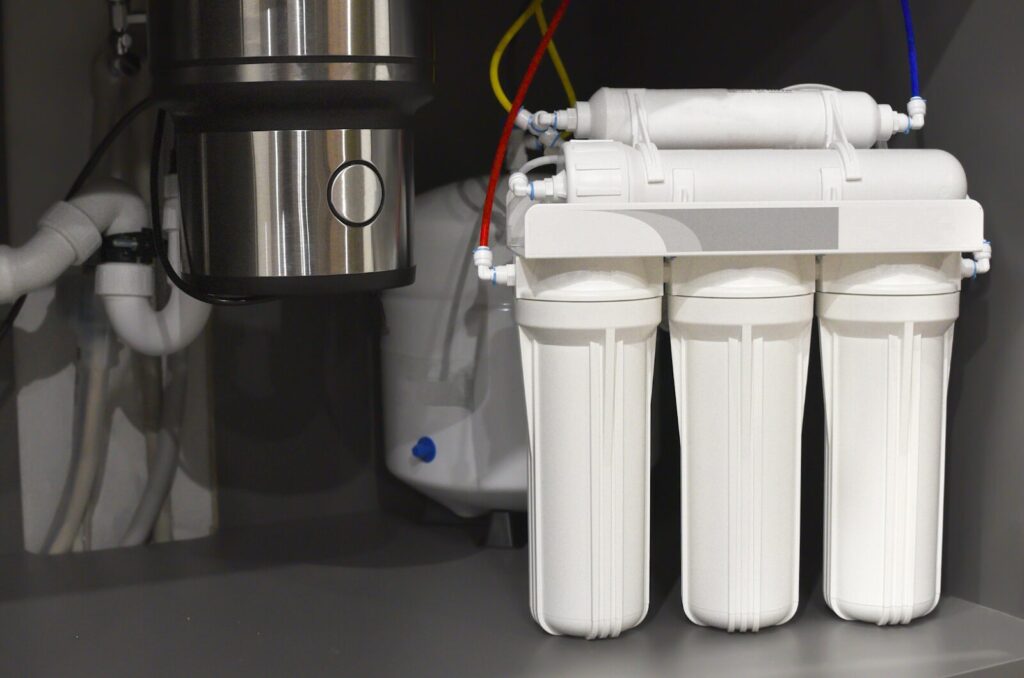
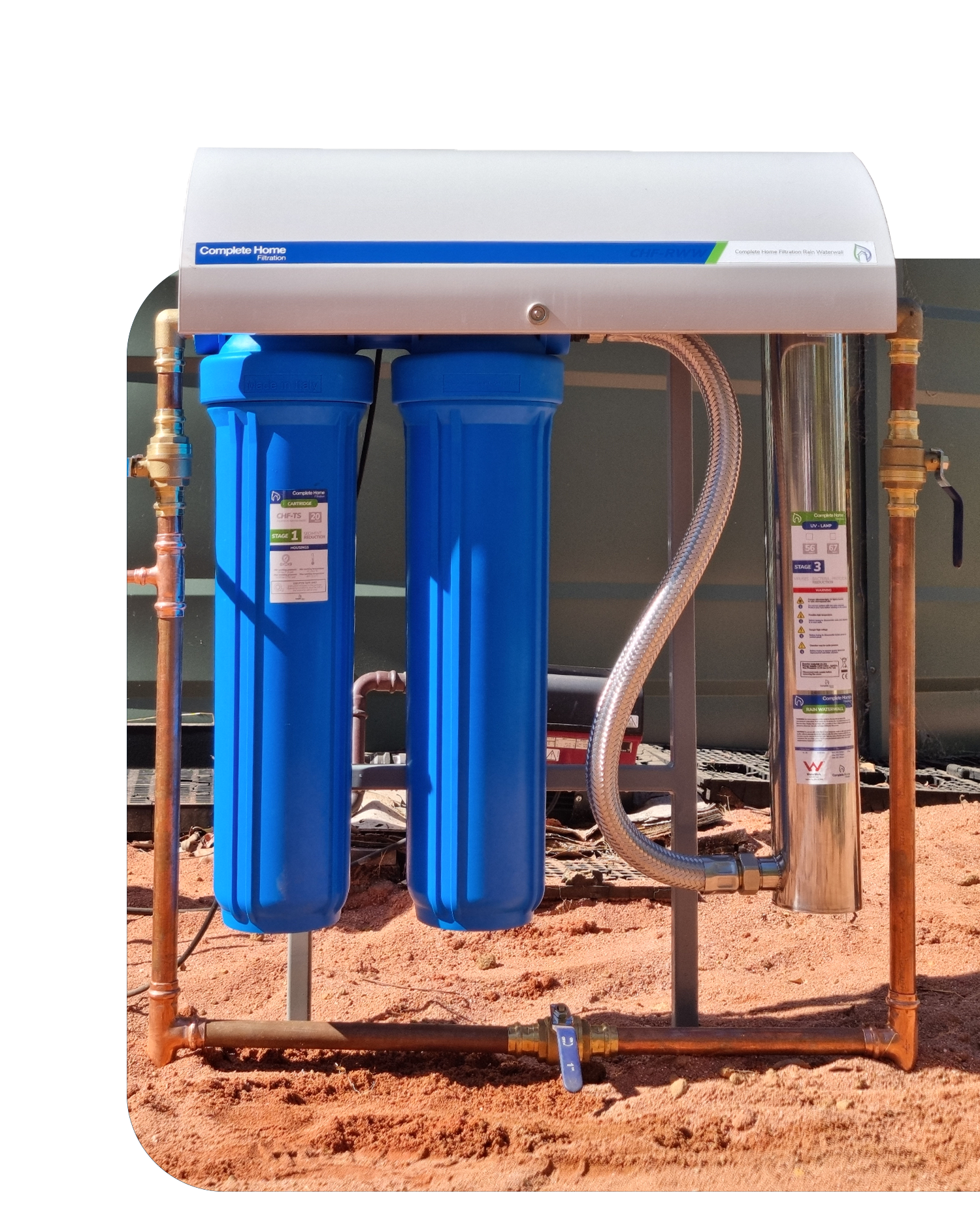
A rainwater filtration system is designed to filter the water from your rainwater tank before it enters your home. Unlike mains water, rainwater can accumulate different contaminants as it moves through your roof, gutters and storage tank. A filtration system is extremely important for removing bacteria and improving the quality of tank water for everyday household use, including drinking, cooking, and washing.
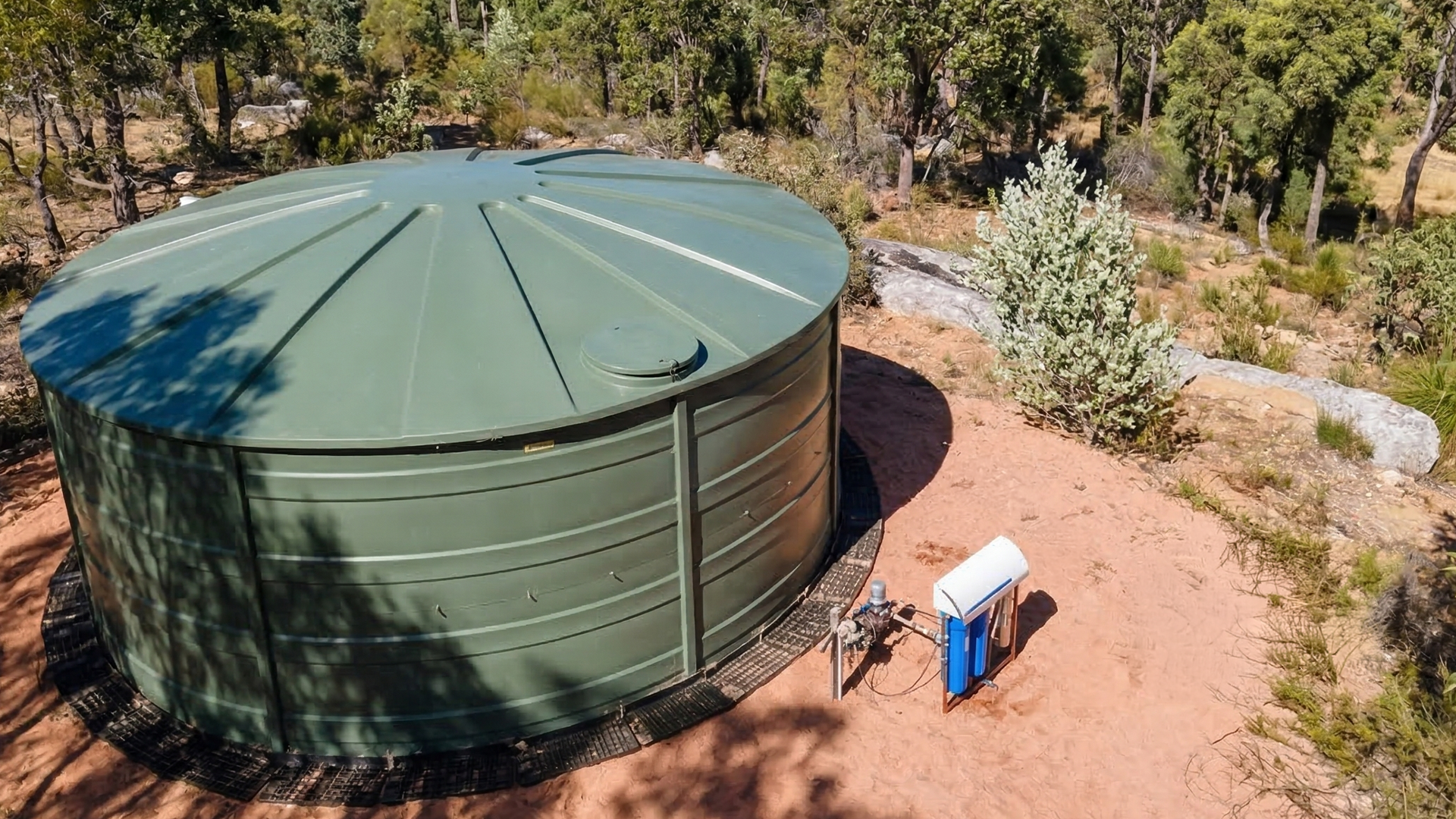
Water from your rainwater tank passes through the system, where larger debris and organic matter are captured through a primary filter before further purification.
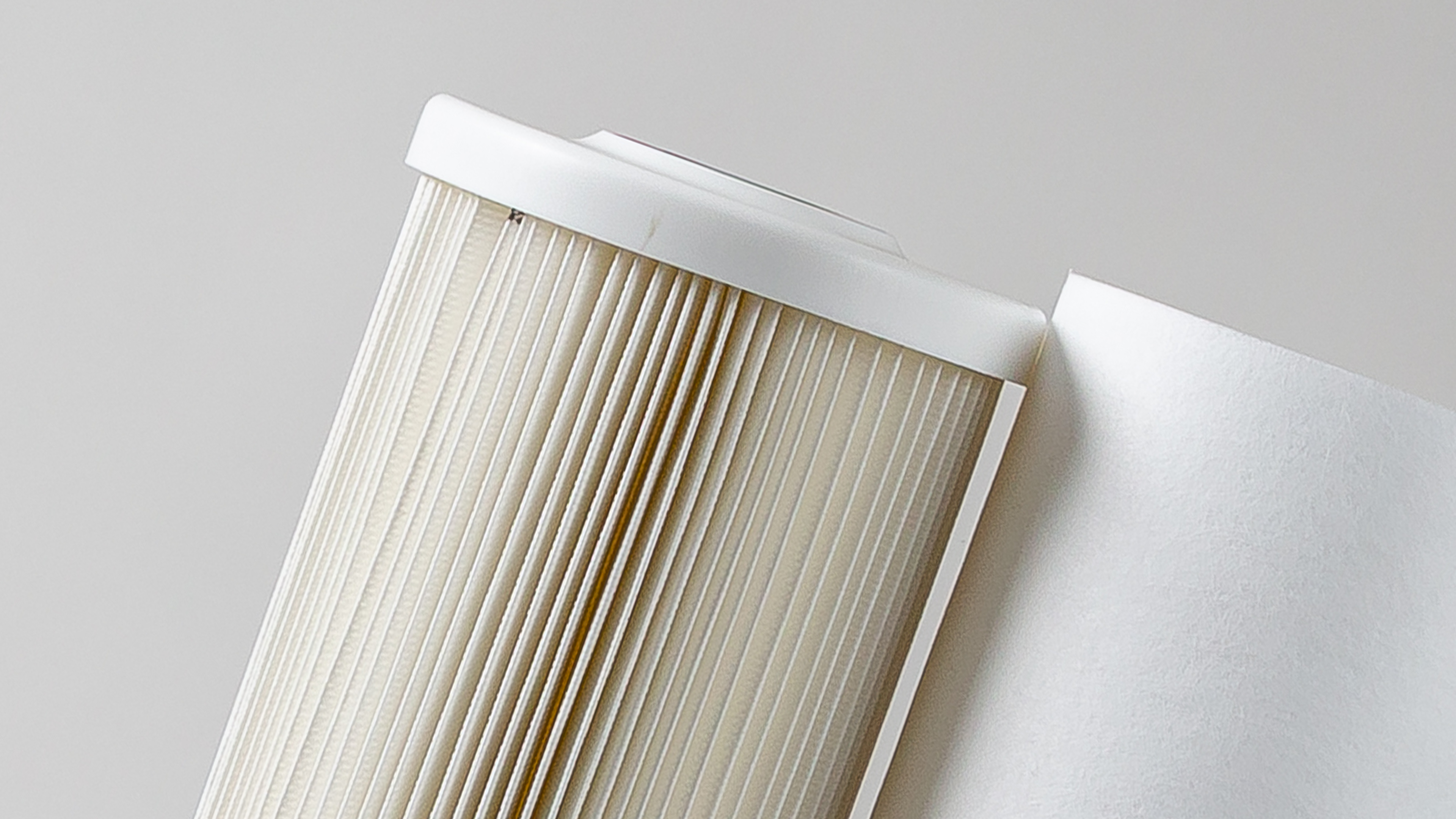
Multiple filtration stages help reduce sediment, rust, metallic debris and other particles collected from roof catchments and storage tanks.
UV-C treatment neutralises bacteria and other microorganisms before the water enters the home.
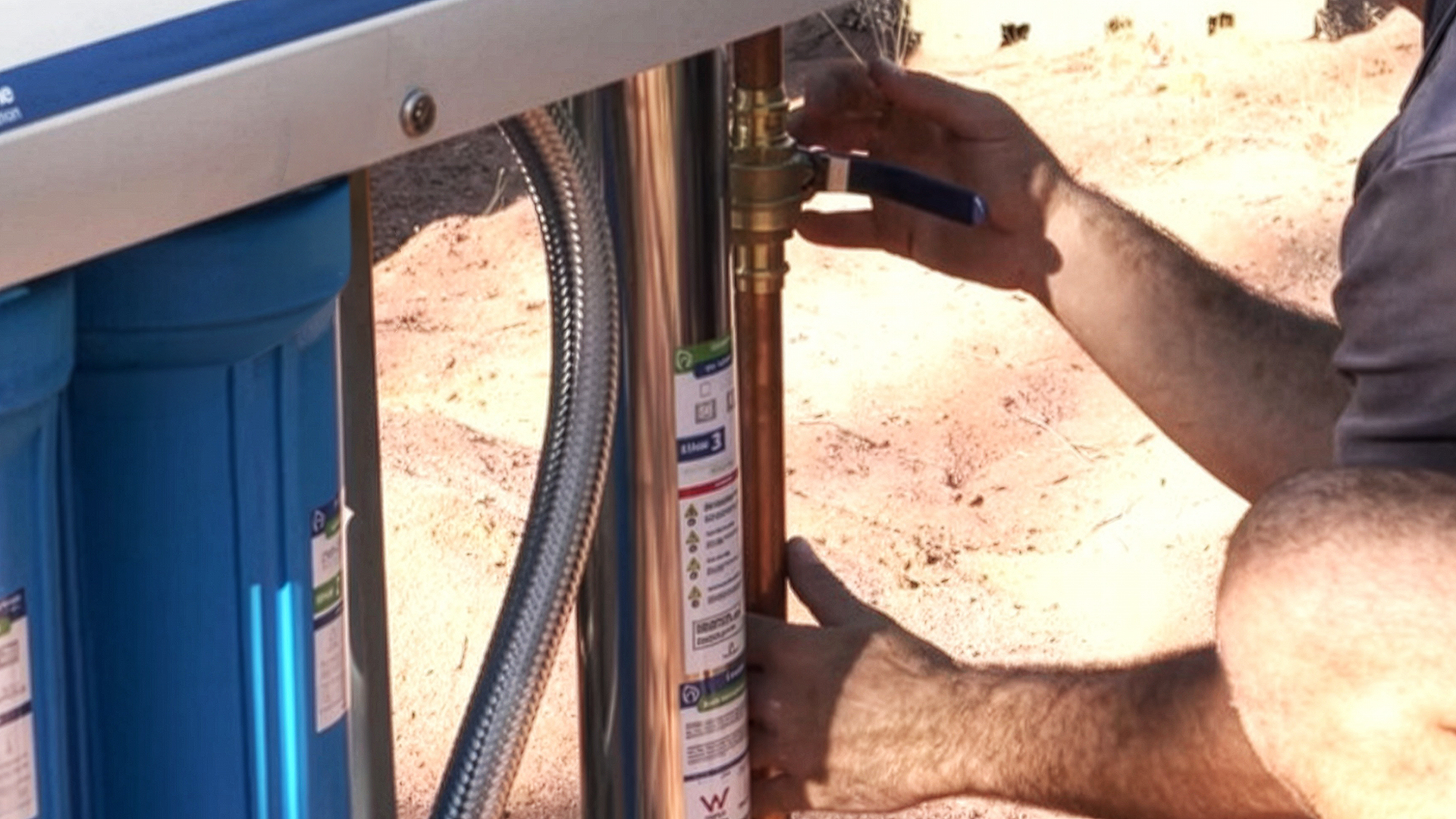
A rainwater filtration system is ideal for homes that use tank water as their primary supply or drinking water source. It’s also suited to properties not connected to mains water and anyone looking to make greater use of their existing rainwater supply for their everyday household needs.
Whole-home filtration treats all incoming mains water before it moves through the property to treat sediment, chlorine, and other impurities, while reverse osmosis provides more intensive filtration at one specific dedicated drinking-water tap. Choose whole-home filtration for property-wide coverage at every tap in the home, reverse osmosis specifically for drinking and cooking water, or combine both for broader coverage and additional point-of-use filtration.
These systems are designed for different challenges. Reverse osmosis is focused on purifying water at the point of use, whereas rainwater filtration is designed to treat water collected from tanks before it enters your home. If your property relies on rainwater, your first consideration should be treating the water supply itself. Reverse osmosis can be used as an additional drinking water solution, but it doesn’t replace a dedicated rainwater filtration system designed for whole-home use.
The decision between these systems comes down to the source of your water. Whole-home filtration is designed to optimise a mains water supply, while rainwater filtration is built around the unique requirements of stored water collected from tanks. Whole-home filtration and rainwater filtration both offer filtered water throughout your home, but they're designed for different water sources. The best system is the one designed for your home's water supply.
Choose a whole-home filtration system if your home is connected to mains water and you want filtered water available from every tap, shower and connected appliance.
Choose a reverse osmosis system if your priority is the water you drink and cook with, or you're looking for a compact solution that's well suited to apartments, smaller homes or rental properties.
Choose a rainwater filtration system if your property relies on rainwater tanks or bore water. These systems are specially designed to address the different filtration needs of alternative water supplies.
Concerned about PFAS? A reverse osmosis system is recommended for households seeking targeted PFAS reduction in drinking and cooking water.
Want the benefits of both? Many households combine a whole-home system with reverse osmosis to enjoy filtered water throughout the home, along with an additional level of filtration for a specific tap.
If you're unsure what's in your water or which system best suits your home, our team can assess your requirements and recommend the most suitable filtration solution.

Each system is designed for a different purpose. Reverse osmosis provides the highest level of filtration for drinking and cooking water, while whole-home and rainwater filtration systems treat all the water used throughout your home. The right choice depends on your water source and filtration goals.
Filter replacement intervals vary depending on the system you choose, your household water usage and your local water conditions. During your water assessment, we'll explain the recommended maintenance schedule for your filtration system. We typically recommend every 6-12 months, depending on your water usage and preferred system.
A water assessment is recommended before choosing a system so we can work with you to tailor filtration to your needs. It helps identify your water source, household requirements and any specific water-quality concerns so the most suitable configuration can be recommended.
Yes. Australian drinking water is regulated to strict quality standards and is generally safe to drink. Many households choose filtration to help reduce specific contaminants, improve taste and odour, or address concerns based on their local water supply and personal preferences.